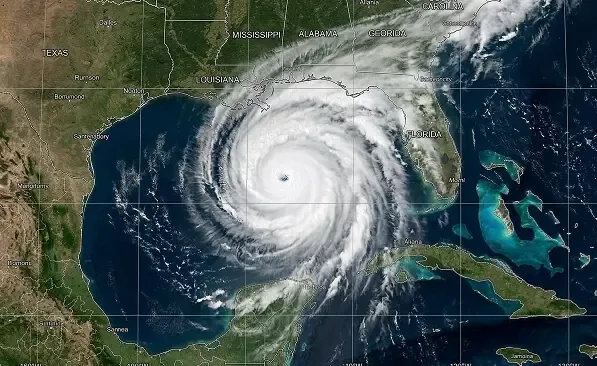
Hurricane Isaias is heading for the northern Gulf Coast, and it may become the first major test of how well a shrunken Federal Emergency Management Agency can respond to a large disaster. Gulf state officials say they are prepared, The Guardian US reported on October 9, 2026, but concerns have been raised about the restructured agency’s ability to deploy a large surge workforce.
What We Know About the Storm
Tropical Storm Isaias formed on Wednesday, October 7, in the warm waters off eastern Mexico. It strengthened into the first hurricane of the Atlantic season, with maximum sustained winds around 80 mph, according to the National Hurricane Center.
Forecasters said the storm could become a major Category 3 hurricane before landfall. Landfall is expected late Friday or early Saturday between southern Mississippi and the Florida Panhandle, with southern Alabama also in the path. Forecasters warned of life-threatening storm surge, damaging winds, and 3 to 7 inches of rain across the central Gulf Coast.
Isaias also formed late in the season, falling one day short of tying a 121-year-old record for the area’s latest-forming hurricane.
Who Is Affected
The most immediate risk is for residents of coastal Mississippi, Alabama, and the Florida Panhandle. Mandatory evacuations and school closures have already been ordered in parts of Florida. Hurricane warnings stretch from Ocean Springs, Mississippi, across Alabama to the Bay/Gulf County line in Florida.
This stretch of coast knows major storms well. Hurricane Katrina devastated Mississippi and flooded New Orleans in 2005, and Hurricane Michael leveled homes near Panama City, Florida, in 2018.
The effects reach beyond residents. Eight of the Gulf’s 371 manned oil platforms have been evacuated. Forecasters say the larger concern is whether Isaias strikes as a powerful storm near refineries, which could affect fuel supply and prices far from the coast. Tourism in the region is also being disrupted.
Why FEMA Is Under Scrutiny
FEMA lost more than 4,300 employees, about 17% of its workforce, in the 2025 budget year, according to a Government Accountability Office report. More than 1,500 of those departures came through voluntary reductions. The GAO said the losses led to a loss of institutional knowledge and experienced personnel, and that FEMA did not base its reduction decisions on a workforce analysis.
The GAO also found that the Surge Capacity Force, which FEMA planned to use to fill staffing gaps during emergencies, was reduced too. FEMA officials said they had 240 employees available for surge support in the 2026 hurricane season, down from 600 in 2025.
A plan to cut the FEMA workforce by half was not carried out, and a federal judge ruled that a related Department of Homeland Security staffing plan was unlawful. The agency says it keeps experienced leadership and support staff across its headquarters and regional offices.
What Residents Should Do
National coverage is not a substitute for local instructions. People in the warning area should follow their county or parish emergency management office and check the National Hurricane Center for updates. If your area is under a mandatory evacuation order, leave early, keep your documents and medicines with you, and avoid driving through floodwater. Storm surge is often the deadliest part of a hurricane, so the wind category alone does not show the full risk.
What Is Still Open
- Where exactly Isaias will make landfall, and at what strength.
- How quickly FEMA can deploy staff and supplies if damage is widespread.
- Whether the storm’s path brings it near Gulf refineries.
This page will be updated as the storm makes landfall and as the federal response becomes clearer.
Sources
- The Guardian US: Hurricane Isaias and FEMA
- AP via WFSB: Isaias is now a hurricane
- Gizmodo: Gulf Coast braces for Isaias
- ASIS: GAO finds FEMA workforce reductions affected response capacity
- PBS NewsHour: Judge rules FEMA staffing cuts plan unlawful
Filed October 10, 2026 by the Newstod Editorial Team.


Comments (0)